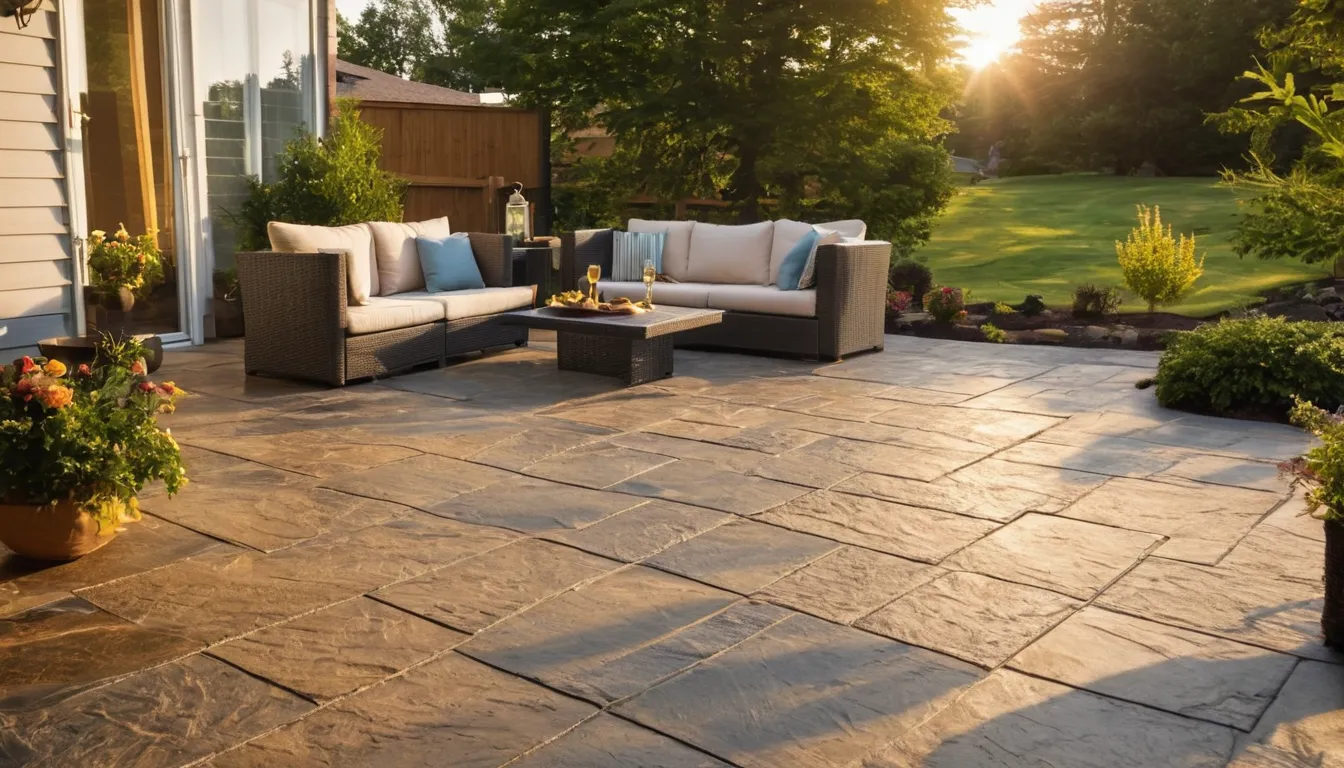
Need home stamped concrete in Aurora?
Planning a new driveway or patio? Send a request for an estimate and a local provider in our network can follow up with you.
No obligationRequest an estimate from a local provider
Stamped concrete is a poured slab pressed with patterns and finished with color. It can copy the look of stone, slate, brick or wood. Homeowners choose it for patios, walkways, pool decks and driveways. It takes planning, because the base, the joints and the sealer decide how well it ages.
Cousinproud Concrete is a referral service. We do not pour or stamp concrete. We connect homeowners in the Aurora area with independent providers in our network who do. This page shows what to check before you hire, what early flaws to watch for, and where DIY ends. Request an estimate when you are ready to compare options.
Stamped concrete looks great on day one. The trouble shows up later. A little planning now keeps small flaws from turning into a big redo.
Walk your slab once each season. Crouch low and look across the surface. Here is what to watch for.
Chalky color often means the sealer is thin. Rinse the slab and let it dry. Then sprinkle on water. If it soaks in instead of beading, the surface is exposed.
A white film can be salts rising with moisture. A little is common on new work. A lot that keeps returning can point to water moving under the slab.
Thin cracks happen in nearly all concrete flatwork. Mark the ends with chalk and check again in a few weeks. If a crack grows or one side sits higher, stop and call a provider.
Watch the slab after rain. Puddles that last a day mean the slope is off. Standing water speeds up wear, and in cold weather it can freeze and flake the surface.
A widening gap along a wall is worth a closer look. The cause may be drainage or soil settling. Foundation repair experts can tell you if the house is involved before anyone touches the patio.
Sunken panels, wide cracks, raised edges and trip hazards are not weekend jobs. Neither is lifting or replacing sections. Talk to a local provider before you grind, patch or pour anything over a problem.
It starts with the ground. The provider digs out soft soil, packs a gravel base and sets forms. Then the concrete goes in and is leveled.
Color is mixed in or dusted on top. A release agent keeps the mats from sticking. Workers press the stamp mats into the surface while it is still workable. After curing, the slab is washed and sealed.
Common picks include ashlar stone, flagstone, brick, slate and wood plank. Earth tones such as gray, tan and charcoal hide dirt well. Dark colors can feel hot in summer sun, so test a sample in your own yard.
Stamped concrete patios are the usual start. It also suits walkways, porch landings, pool decks and driveways. Bungalows and ranch homes often pair a stamped patio with a plain concrete path to keep the look simple.
Pavers are set one at a time, so a single stone can be lifted and replaced. Stamped concrete is one solid piece with few seams, so weeds are less of a worry. The tradeoff is that cracks are harder to hide.
Cold winters with deep frost are hard on any slab. Ask a provider about air-entrained concrete, a well-drained base and where control joints will sit. Plan for runoff during spring flooding, and keep the slope heading away from the house and any basement wall.
Expect a few days for prep, forming and the pour. Curing takes longer. Providers often advise waiting several days before walking on it, and longer before heavy loads or furniture. Ask for their timeline in writing.
Sealing is the main job. Keep a reminder to check the sealer each year. Rinse off dirt, clean spills fast, and use plastic shovels in winter.
Skip harsh de-icing salts when you can. Use sand for grip instead. These small habits keep new problems from coming back.
Get more than one written quote. Ask what base prep is included, how joints are laid out, and which sealer will be used. Ask to see photos of finished jobs, and ask about the provider's own insurance. Compare the details, not just the price.
Digging out soft soil and packing a firm gravel base before any forms go in.
Choosing stone, brick or slate stamps with integral color or surface-applied tones.
Planned control joints and a protective sealer applied after the slab has cured.
Washing the surface, sealing it and clearing forms and debris from your yard.
Prices vary by size, pattern, color, base work and local labor. These are typical U.S. ranges only. Always get a written quote from a provider before you agree to anything.
| Item | Typical range | Notes |
|---|---|---|
| Stamped concrete, per sq ft | $12 – $20 | Pattern and color choices change the price |
| Small patio (about 200 sq ft) | $2,400 – $6,000 | Size and access affect the total |
| Stamped driveway (about 600 sq ft) | $7,000 – $14,000 | Thicker slab and more base work |
| Removing old concrete, per sq ft | $2 – $6 | Depends on thickness and disposal |
| Added color or border, per sq ft | $1 – $4 | Accent bands and custom tones |
| Resealing, per sq ft | $1 – $3 | Needed every few years |
Tell us about the space, the size and the look you want for your stamped slab.
We connect you with an independent provider in our network who serves your area.
Review base prep, pattern, color and sealer details side by side before you decide.
Agree on timing, curing and care steps with the provider you choose.
Providers in our network are separate businesses that do the actual concrete work.
Simple checklists help you know what to ask before you hire.
Request an estimate with no obligation and compare your options.
We say where DIY ends, so you can plan the slab with confidence.
Planning a new driveway or patio? Send a request for an estimate and a local provider in our network can follow up with you.
No obligationWith a sound base, planned joints and regular resealing, stamped concrete can last for many years. Frost, heavy loads and poor drainage shorten that, so ask a provider what suits your yard.
Hairline cracks can show up in any concrete, even with good joints. Small ones can be filled with a flexible sealant. Wider cracks or uneven panels need a local provider to look at the cause first, before any patch is chosen, since matching the color and pattern takes skill.
A smooth sealer can get slick. Providers can add a non-slip additive to the sealer, which helps near pools and steps. Ask about it when you request an estimate.
Planning a new driveway or patio? Send a request for an estimate and a local provider in our network can follow up with you.
No obligation